INTRODUCTION
The arrival of colonialism on Indigenous lands globally ushered in negative health outcomes and historical trauma through the erasure of everything prior known to Indigenous peoples, from dispossession of land, culture, family, forced assimilation, to urbanisation and more. Indigenous knowledge systems on health and education were, and continue to be, suppressed, then overhauled through militaristic force and calculated attempted erasure, through means of redefining who can legally be considered a member of their people, most famously being blood quantum laws (Carlson, 2016; Carson, Cordova-Marks, et al., 2024). This pushed a Western binary agenda that continues today, viewing health as good or bad, which is in opposition to Indigenous ways of knowing that consider health holistically wherein health is continuous, but never static.
Indigenous traditional wellness and healing practices represent a significant aspect of cultural resurgence and resilience within Indigenous communities and seeks to decolonise health. Healing practices are deeply rooted in Indigenous cultures and use holistic approaches to address physical, spiritual, emotional, and mental well-being (Asamoah et al., 2023; Auger et al., 2016; Gall et al., 2019; George et al., 2018). Although some similarities exist among Indigenous peoples, it is important to note that every tribe, Nation, mob, Indigenous group is unique and may not have the same concepts of health and well-being; however, there is a resounding pattern of Indigenous health conceptualised as holistic.
The Medicine Wheel is a model of well-being common to many Indigenous peoples within the borders of the United States that holds health as a collective of the physical, mental, emotional, and spiritual (Mashford-Pringle & Shawanda, 2023). Traditional healing (TH) and health are rooted in holistic health and refer to skills and practices acquired through cultural knowledge gained from ancestral knowledges, cultural processes, and protocols (WHO, 2025). TH practices include, but are not limited to, prayer, cleansing, songs, traditional plant medicine, and ceremonies (Standford Medicine, 2024).
Our review focuses on methodologies and methods (Indigenous and non-Indigenous), with attention to types of research performed in Indigenous sub-populations, factors that support positive well-being and the creation of a figure that can be used by patients, providers, and health organisations to discuss wellness. The method of development of this figure also may act as an example of how to make systematic reviews a participatory and decolonised process and exemplifies how to make reviews translational for communities.
METHODS
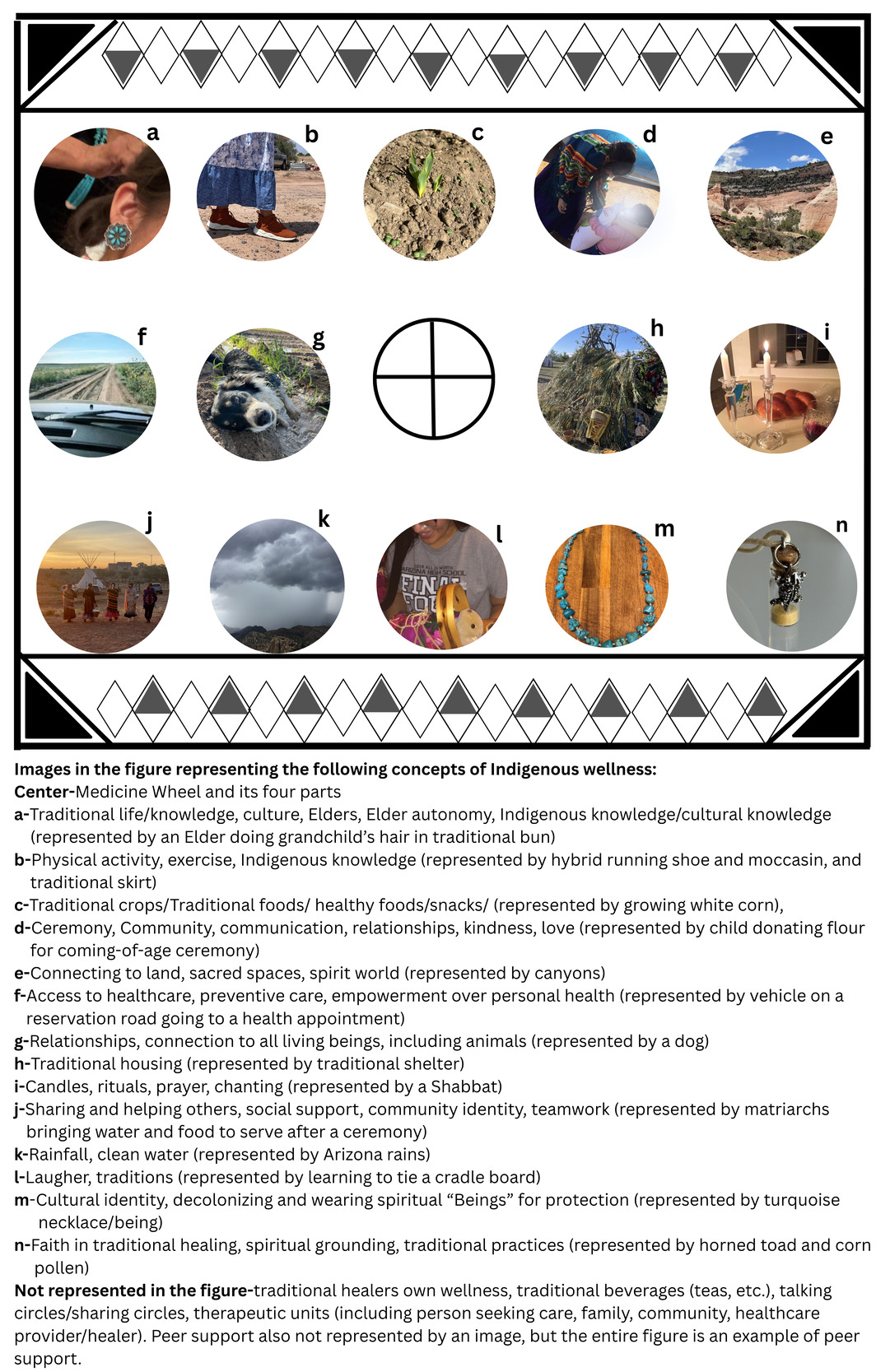
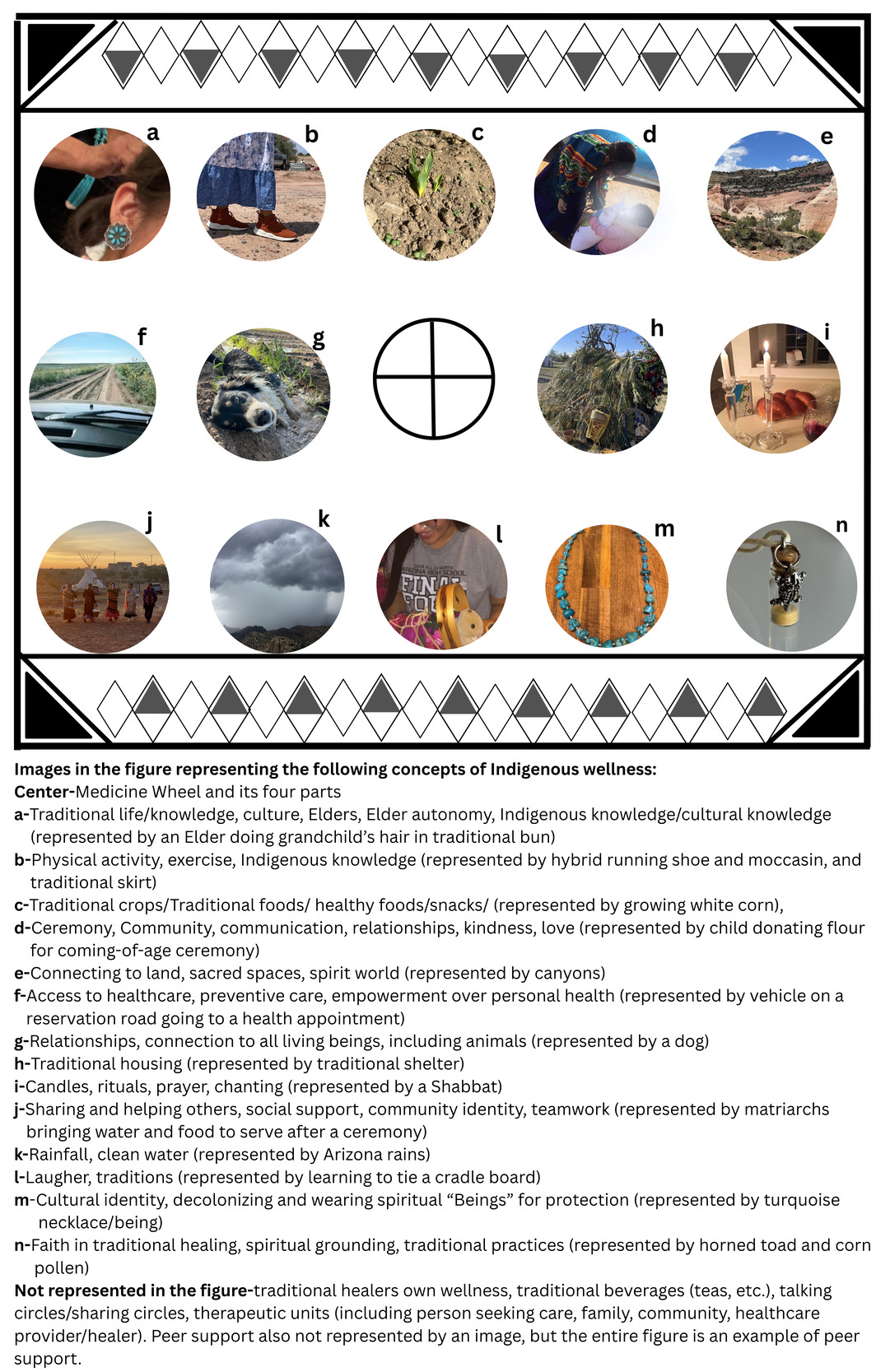
The Writing Research Indigenous Team Expanding Scholarship (WRITES), is an all-Indigenous team (Comanche, Dine/Navajo, Hopi, Ohkay Owingeh, Ojibwe) consisting of professors and students at the University of Arizona. Students participated in every segment of the review, including analysis of articles, drafting the results, and creating the images for the manuscript. For Figure 3, student researchers/co-authors provided visual representations of what factors of positive wellness mean to them culturally.
A systematic literature review on publications over the past ten years was conducted to ascertain: 1. quantity of literature published; 2. what Indigenous sub-populations (urban, youth, LGBTQ2S+, unsheltered) are featured or overlooked; 3. presence or absence of Indigenous research methodology and methods; and 4. thematic content analysis.
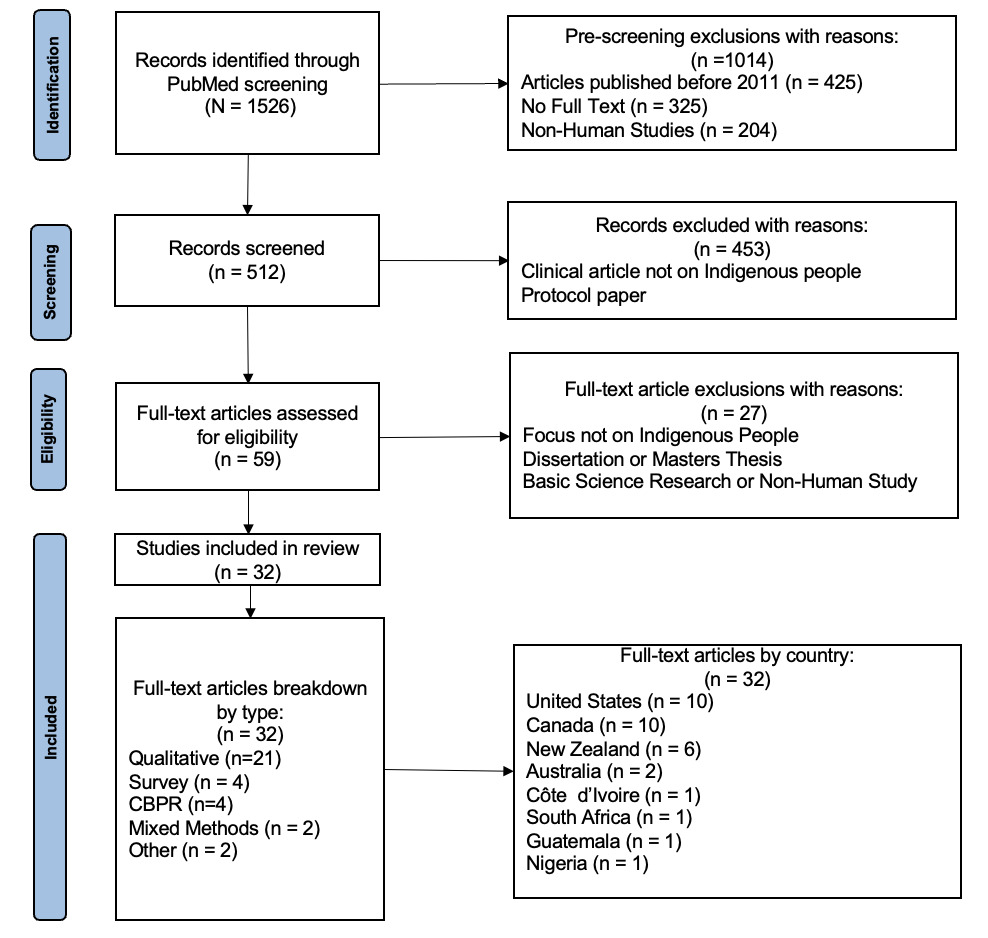
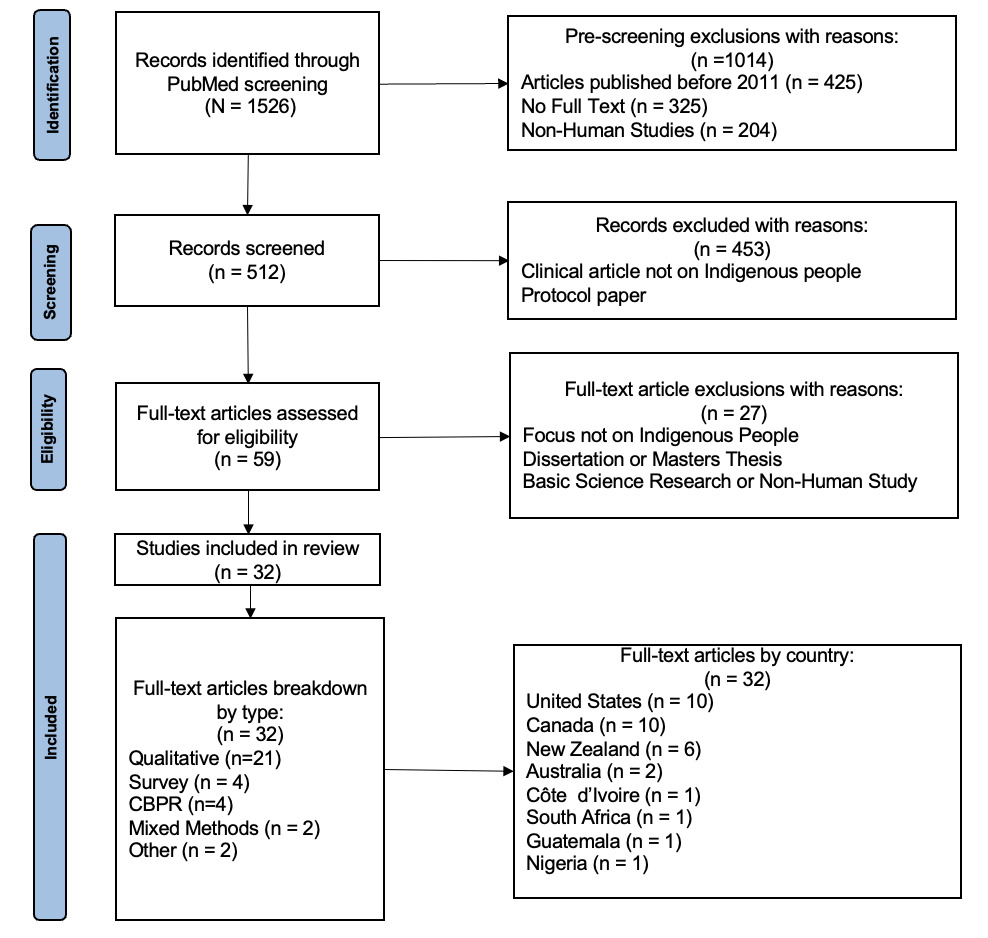
This scoping review utilised PRISMA guidelines for scoping reviews to ensure reproducibility (Tricco et al., 2018). This literature review was conducted September 2023 in PubMed and CINAHL[1] with the search terms: (“wellness program” OR wellness) AND (“traditional healing” OR “traditional healers” OR “traditional medicine” OR “medicine man”[2]* OR “medicine woman”) AND (Indigenous OR “Native American” OR “American Indian” or “First Nations” or “Aboriginal” or “Māori”). This review was restricted to = articles published in English within the past ten years. Exclusion criteria included: protocols, abstracts and posters, articles from more than 10 years ago, not inclusive of Indigenous populations, not relating to wellness (Figure 1). We conducted screening of title and abstract, full text, and data extraction according to PRISMA guidelines. Articles were analysed on I. Methodology (theories, frameworks, epistemology), and Methods (ways of collecting data), and II. Content.
The population is defined as “Indigenous People” per the United Nations Declaration of Indigenous Peoples (2007) rights and includes populations with legal rights within the United States, including American Indians, Alaska Natives, and Native Hawaiians, as well as unrecognised Native American Tribal Nations and First Nations, Aboriginal, Torres Strait Islander, Māori, among others, as the UN recognizes Indigenous Peoples in six habitable continents. When discussing findings, each population is referenced as they were in the original article (i.e., If the article states “Indigenous,” we state Indigenous).
Thematic Analysis
Articles were reviewed for inclusion criteria, then reviewed for content. Demographics were looked at for population, study location (urban, rural, reservation), and manuscript topics; codes were developed around these topics.
RESULTS
The search string in PubMed and CINAHL (Figure 1) resulted in 1526 articles. Searches were limited to a ten-year period, resulting in 512 publications on PubMed and CINAHL. 53.3% of articles potentially eligible for this review were published in the latter half of the time frame (2018-2023), implying a more recent increase of Indigenous wellness research.
Two research team members screened all 512 potentially eligible studies for titles and abstracts, with 59 articles advanced to full text evaluation. Three groups of three independent reviewers (nine total) analysed articles to determine eligibility. 32 articles qualified for analysis. Of these, 31.3% (n=10) were written on Indigenous populations in Canada, 31.3% (n=10) United States, 18.8% (n=6) Aotearoa / New Zealand and 6.3% (n=2) Australia, and a combined 12.4% (n=4) for Indigenous populations from: Côte d’Ivoire (n=1), South Africa (n=1), Guatemala (n=1), and Nigeria (n=1).
Most article content was on the role of (TM), healing, and knowledge, 65.6% (n=21). 43.8% (n=14) studies focused on rural or reservation-based settings, 34.4% (n=11) were urban based, 21.9% (n=7) were either national studies or unspecified, and 6.3% (n=2) of the articles were marked as “Other” were on a protocol and conference meeting report.
Finally, articles were examined for mention of negative impacts of colonialism, decolonisation, and if they explicitly stated consulting with Indigenous people. 65.6% (n=21) of studies mentioned both verbiage around decolonisation and consultation.
Results will be presented in the following manner:
-
Methodologies and Methods
-
Content Themes and Sub-themes
I. METHODOLOGIES AND METHODS
Ia. Methodologies
22 articles (71.9%) mentioned a specific methodology, and 12 studies utilised more than one methodology. Methodologies included: Community based participatory research (n= 8), Grounded Theory (n=2), participatory action research (n=1), post-structural feminism (n=1), and Indigenous methodologies (n=5), comprised of Two-eyed Seeing (n=1), and Kaupapa Māori (n=4).
Ib. Methods
There were 68.8% (n=22) qualitative research articles, 12.5% quantitative survey-based studies (n=4) and 6.3% (n=2) utilised mixed-methods. Specific methods of data collection included: focus groups (n=8), surveys (n=6), semi-structured interviews (n=6), non-specified interviews (n=8), mixed-methods including surveys and interviews of some type, (n=2), round-table discussion (n=1), sharing circle (n=1) and the Indigenous method of talking circles (n=2).
II. Content Themes and Sub-Themes
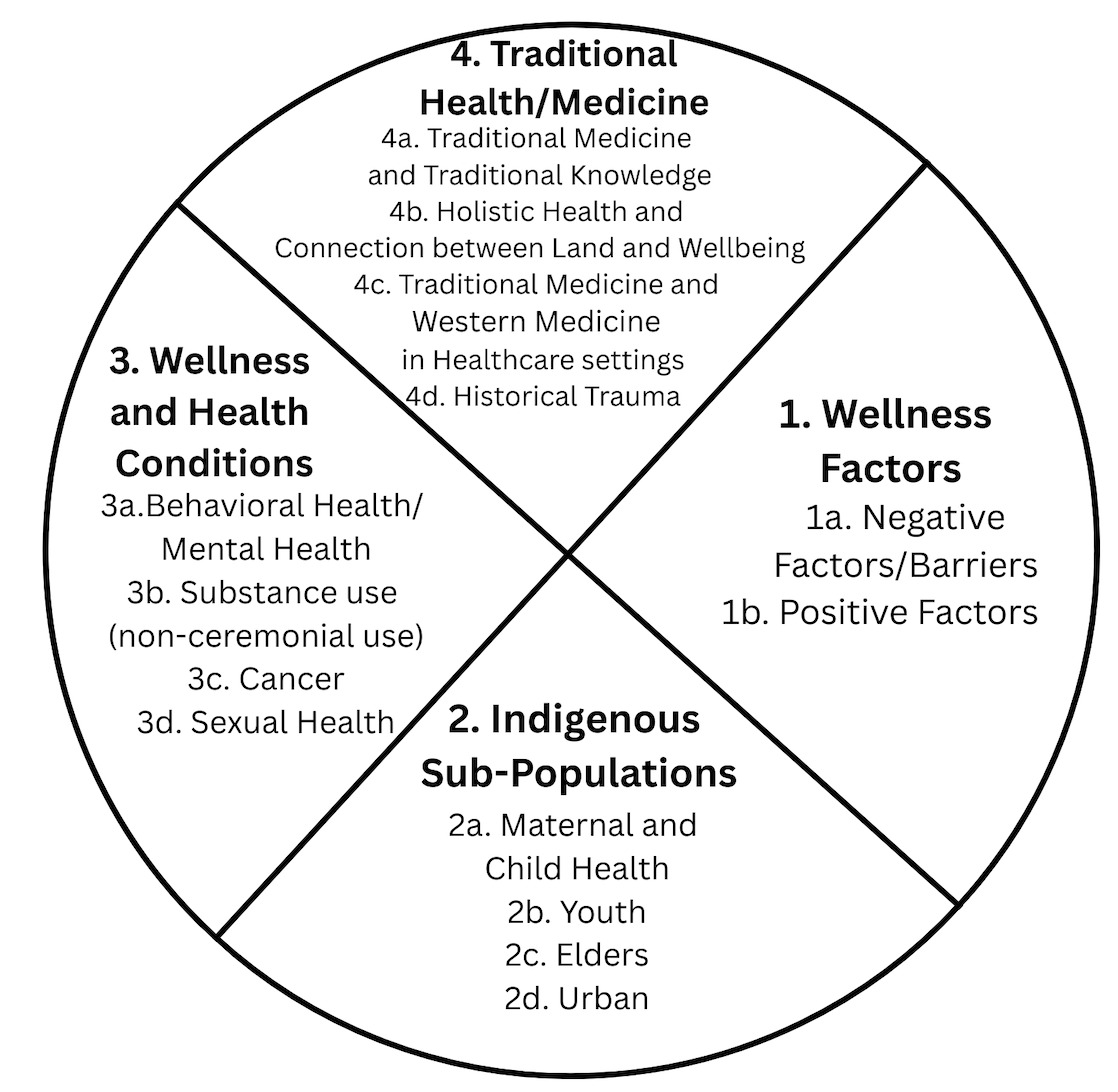
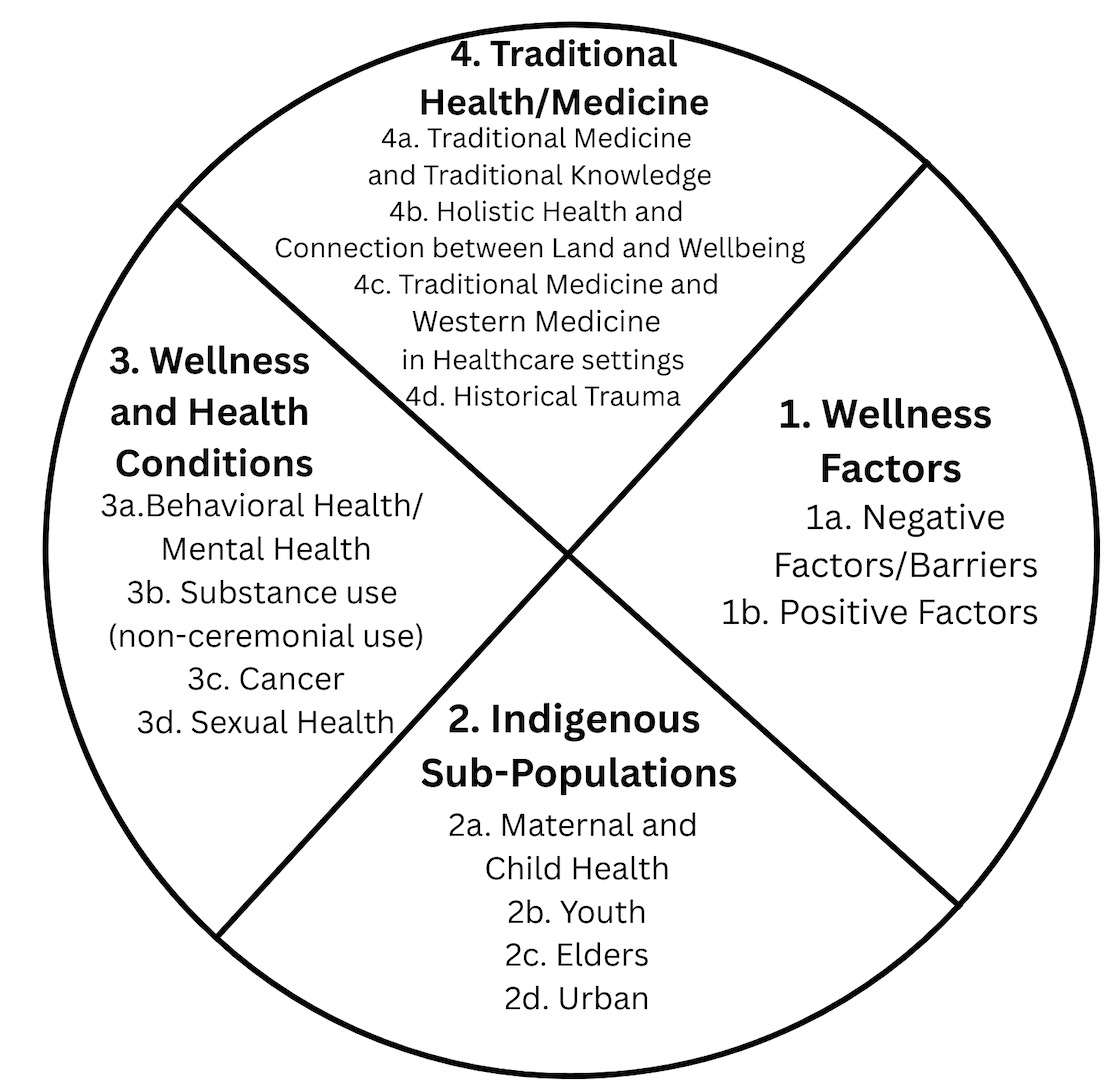
We present themes and sub-themes from the content analysis in both a figure, and in text. See Figure 2 for the themes and sub-themes, visualised in a medicine wheel, and presented in order by the directionality (as per consultation with a traditional healer in the Southwest United States, we acknowledge that this directionality may vary by Tribe/Indigenous peoples) of a blessing ceremony (clockwise East to North), which is a cultural practice of Indigenous wellness.
1. Wellness Factors
Wellness was described by many terms, such as healing, balance, restoring balance, well-being, wellness, culture, connection to culture and the absence of pain or disease or illness. One article described, “Imbalance comes from a variety of holistic upsets – addiction, physical illness, stress (Moghaddam 2015, p. 309).” Another stated, “Illness comes when mind, body and life force are not connected” (Marques 2021, p. 9). Twenty-three articles mentioned factors that increase wellness, with one deficit focus model excluded. Two articles discussed factors impacting TM use, including Western views of its benefits, and poor access (Auger et al., 2016; George et al., 2018). Combining TM and Western was noted as increasing wellness and was of high importance (Moghaddam et al., 2015; Oneha et al., 2023).
1a. Negative Factors/Barriers
Trauma (past, historical, and intergenerational) and racism were described (Cox et al., 2022; Muriwai et al., 2023; Tanner et al., 2022), as well as the breakdown of a person’s connection with family and or community (Berger-González et al., 2016). The connection between Indigenous peoples and the environment was also emphasised. Global warming, reduced rainfall, and increased drought were mentioned because of the loss of plant species (Rankoana, 2022). Specifically for Elders, increased daily living assistance (decreased autonomy) equated to lower self-rated health (Oetzel et al., 2021).
1b. Positive Factors
The Medicine Wheel (as a framework, not Figure 2) and the four elements were important in promoting wellness (Moghaddam et al., 2015). Relationality was also a central aspect of wellness, with emphasis on connection to land, community, family, animals, and the spirit world. Water (rainfall) was important for home (cooking) and its connection to traditional food crops, medicinal plants, personal cleanliness, birthing, and traditional herbs (Ohaja & Murphy-Lawless, 2017; Rankoana, 2022). These positive factors of wellness and additional identified positive factors are visually represented in Figure 3 (Cox et al., 2022; Ferguson et al., 2021; Marsh et al., 2022, Moorhead et al., 2015, Muriwai et al., 2023; Oetzel et al., 2020; Oneha et al., 2023; Simpson et al., 2021).
2. Indigenous Sub-Populations
Ten articles addressed four unique Indigenous sub-populations including 1. maternal and child health, 2. youth, 3. elders, 4. urban populations. Seven articles utilised qualitative research methods. Two articles used mixed methods, and one was a program report. Articles were published in the United States (n=5), Canada (n=2), Aotearoa / New Zealand (n=2), and Nigeria (n=1).
2a. Maternal and Child Health
A single article addressed maternal and child health by discussing Nigerian traditional birthing assistants who are practitioners using cultural and traditional knowledge to assist the birthing process (Ohaja & Murphy-Lawless, 2017). These birthing assistants spoke about resistance they receive from those with formal Western healthcare training and explained that they use Western and herbal medicine, as well as practice “safe medicine,” including hygiene, guarding against infection, and knowing where their knowledge ends and when to refer to a hospital (Ohaja & Murphy-Lawless, 2017).
2b. Youth
One article described mentorship for urban youth (also included and described further in the urban section below). The article discussed the success and challenges of an initiative to create a healthier school environment in a district serving primarily Indigenous students (Kulinna, 2016).
2c. Elders
Two papers focused on one project with Elders in Aotearoa / New Zealand. These papers discussed a peer education model designed to connect Māori Elders (kaumātua) with peers for sharing experience, support, sense of purpose, and cultural traditions to improve overall well-being and quality of life (Oetzel et al., 2021; Simpson et al., 2021). Results demonstrated that assistance with daily tasks, housing issues, finances, and loneliness were negatively correlated with self-assessed health, quality of life, and life satisfaction (social support, cultural identity, sense of purpose) (Oetzel et al., 2021). Higher perceived autonomy, cultural identity, cultural ideals, and sense of purpose were positively correlated with quality of life, spiritual well-being, and life satisfaction (Oetzel et al., 2021). The second article concentrated on the effectiveness of the program as measured by the gains the Elders experienced while mentoring, including communication skills, sense of purpose, and well-being (Simpson et al., 2021).
2d. Urban
Six articles focused on urban populations, including youth, unhoused persons, and harm-reduction programming. One article focused on a First Nations youth mentorship program for Indigenous and non-Indigenous children/youth that emphasises healthy lifestyles, mentorship and a peer model, and cultural teachings (Ferguson et al., 2021). Activities included traditional games, hoop dancing, relays, storytelling, and sash weaving, with students reporting a positive reception to these as well as improved self-image (Ferguson et al., 2021).
In a different study, two programs providing services were assessed. One program provided harm reduction and services to adults and youth, among those unhoused or at risk of becoming unhoused; and another program provided a safe and consistent environment for those unhoused (Firestone et al., 2019). Their harm reduction policy resulted in participant safety, autonomy, as well as healing when combined with holistic cultural and spiritual support in an Indigenous-only space (Firestone et al., 2019).
Four articles covered incorporating spirituality, culture, and tradition into the healing process for overall wellness. In a quality improvement project, results revealed TH was offered for a variety of health conditions due to its demand and benefits, despite the challenge to accommodate differing traditional practices for the variety of Indigenous (within the United States) cultures in urban settings (Pomerville et al., 2023). Another study conducted interviews, revealing that participants shared the desire to reconnect with culture for healing and mental health (Gone et al., 2017). A different study focused on the link between spirituality and wellness, constructing a formal curriculum allowing urban Indigenous peoples (within the United States) of various tribal backgrounds to participate in spiritual wellness activities such as a sweat lodge (Gone et al., 2020). Although the sample size in this study was small, the response to participating in the sweat lodge program was positive (Gone et al., 2020). Finally, another study concluded TH is essential for taking care of mental, physical, and spiritual aspects of a patient, and that both traditional and Western medicine (WM) have their place (Moghaddam et al., 2015).
3. Wellness and Health Conditions
Nine articles addressed the relationship between wellness and mental and physical health conditions (United States=3, Canada=3, Aotearoa / New Zealand=2, Australia=1). Sub-themes found were: 1. behavioural health/mental health; 2. substance use (non-ceremonial use); 3. cancer; and 4. sexual health. Research methods included qualitative measures (semi-structured interviews, surveys, talking circles), Participatory Action Research, mixed method studies, and reports on community engagement meetings.
3a. Behavioural Health/Mental Health
Six articles discussed behavioural and mental health among Elders, youth, and those in substance treatment programs. Three articles were respectively presented earlier in the Elders and urban subsections of the demographics (Oetzel et al., 2021; Pomerville et al., 2023; Simpson et al., 2021). In a different study examining Aboriginal and Torres Strait Islander Elders’ perspectives on healing, researchers found a consistent trend: most Elders believed many healthcare professionals did not experience historical trauma as they had (Cox et al., 2022). They recommended the importance of connecting with community during mental health treatment to improve outcomes (Cox et al., 2022). Tang et al. (2016) analysed the understanding of physical health among Indigenous youth. Researchers found youth who linked wellness to culture were able to understand the concept that physical activity can improve quality of life. One of the articles examined TH options for substance treatment and found the use of traditional healing and ceremonies was recommended (Hirchak et al., 2023).
3b. Substance use (non-ceremonial use)
One article examined whether there is adequate support from healthcare providers regarding substance use disorders (Rieckmann et al., 2016). Of 307 facilities analysed, the most common resources included Alcoholics Anonymous, recovery support services, and Wellbriety. With the largest gaps including family therapy, and pharmacotherapy for relapse prevention (Rieckmann et al., 2016). When TH was offered, it included smudging, talking circles, and cultural activities like drumming and beading. A different study centring Indigenous culture in treatment found authors recommending: 1. integration of TH practices and ceremonies among those undergoing treatment; and 2. healthcare providers need to build a deep connection with patients and understand their interest in TH (Hirchak et al., 2023).
3c. Cancer
A single article, (also discussed in the TM subsection) examined views on traditional and complementary medicine among healthcare providers working with Indigenous Australian cancer survivors (Gall et al., 2019). Themes were reported that were related to concern about the risks of combining traditional and complementary medicine with Western treatments, especially with a lack of evidence, effectiveness of TM, the perception of TM and WM as opposite forms of healing, providers not discussing TH with patients because of lack of interest, patients non-disclosure over use in fear of disapproval, and patient choice being a double-edged sword, as participating in traditional methods is both empowering and viewed to expose patients to additional risks outside providers’ control (Gall et al., 2019). Additionally, there seemed to be a lack of knowledge on traditional and complimentary medicine by non-Indigenous providers.
3d. Sexual Health
One article addressed perspectives of nehiyawiskweˆwak (Cree women) on restoration of balance, overall health, and well-being, including sexual health (Gesink et al., 2019). In a talking circle, characteristics of health were discussed and reflected the idea of healing oneself to assist others in their healing. Metaphors were used to express feelings about returning to balance, including describing health as a circle or a river to illustrate the power and strength of being in balance (Gesink et al., 2019). Plants were used to develop a land-based approach to sexual health concerns, both for treatment and education (Gesink et al., 2019).
4. Traditional Health/Medicine
A total of 18 articles discussed TH practices as a component of maintaining health and wellness. These articles were published within the United States (n=8), Canada (n=3), Aotearoa / New Zealand (n=2), Africa (n=2), Canada (n=3), Australia (n=1), Guatemala (n=1), and one that discussed Canada, Australia, and Aotearoa / New Zealand. Of the articles, 16 reported on data collection methods: focus groups (n=3), semi-structured interviews (n=8), surveys (n=2), and talking circles (n=3). The remaining 2 articles were systematic reviews.
4a. Traditional Medicine and Traditional Knowledge
Usage of traditional plant medicine was discussed in six of the articles (Gall et al., 2019; George et al., 2018; Malan et al., 2015; Mark et al., 2022; Oneha et al., 2023; Pomerville et al., 2022). Increased age and education were associated with increased use of TH practices, while lack of cultural identity was associated with decreased use (George et al., 2018; Oneha et al., 2023). Four articles highlighted key barriers to accessing TH including lack of availability or knowledge about where to get help, high costs, logistical requirements for ceremonies, allergies to medicinal plants, loss of natural vegetation, and the lack of western health care providers’ knowledge and understanding of TM (Gall et al., 2019; George et al., 2018; Malan et al., 2015; Pomerville et al., 2022).
4b. Holistic Health and Connection between Land and Well-being
Holistic well-being was discussed in 68% (n= 12) of articles (Rankoana, 2021; Auger et al., 2016; Berger-González et al., 2016; George et al., 2018; Mark et al., 2022; Marques et al., 2021; Moghaddam et al., 2015; Oneha et al., 2023; Pomerville et al., 2022; Gone et al., et al., 2020; Hirchak et al., 2023; Pomerville et al., 2022). Four articles discussed the land and its connection to well-being (George et al., 2018; Mark et al., 2022; Oneha et al., 2023; Rankoana, 2022). One of these four discussed how critical availability of water, food, and TM is for well-being. These factors are heavily reliant on climate, including temperature and rainfall, which determines both quantity and quality (Rankoana, 2022).
4c. Traditional Medicine and Western Medicine in Health Care Settings
28% (n=5) of articles integrated Indigenous healing practices into health care delivery settings. One study found TM and Complementary WM plays an important role in re-establishing wellness for Indigenous cancer patients through a holistic approach (Gall et al., 2019). Another study explored behavioural health services at six Urban Indian Health Programs, interviewing program staff and finding a lack of incorporating TH due to a lack of interest from patients, lack of personal knowledge among patients, and lack of traditional healers available (Pomerville et al., 2022).
4d. Historical Trauma
Four articles were written on historical trauma impacting wellness. One article showed that those who participate in TH tend to have stronger First Nation identity, increased spiritual wellness, but also more symptoms associated with historical loss (according to the Historical Loss Scale and Historical Loss Associated Symptoms Scale), and more anxiety (George et al., 2018). Those who don’t participate but would like to use these healing methods (51%) had more reported historical losses, childhood adversities, and diminished overall self-evaluated health (George et al., 2018). The three most common reasons for not participating in TH included lack of: education on different methods, access, and information on how to access (George et al., 2018).
Tanner et al, focused on social determinants of health in the First Nation community, utilising the Medicine Wheel as a framework to measure wellness. Participant surveys demonstrated historical trauma was associated with a decrease in reported physical, mental, emotional, and spiritual well-being (Tanner et al., 2022). Cultural strength, healing practices, and social support, each correlated with increased scores in all aspects of well-being; mental and emotional health were decreased when examining TH (Tanner et al., 2022).
Oneha et al. (2023), aimed to identify the impact of integrating Indigenous and Western healing in the Kānaka 'Ōiwi population in Hawaii. Participants shared that integrating TH restores Indigenous culture and knowledge (Oneha et al., 2023). Participants were accepting of the integration of Kānaka 'Ōiwi healing and WM, citing the benefits of TH saving money and reducing side effects (Oneha et al., 2023). There also appeared to be more acceptance and trust in Western providers who integrated TH (Oneha et al., 2023).
The final manuscript found the health status of Indigenous Peoples was self-perceived as significantly better before colonisation (Auger et al., 2016). Indigenous peoples seeking WM also faced barriers (racism and mistrust) when accessing healthcare (Auger et al., 2016). Furthermore, they found TH as a benefit to overall well-being of patients, and Indigenous patients had increased ownership over their care when utilising TM and WM (Auger et al., 2016).
DISCUSSION
Most of the contemporary research on wellness focused on TM and TH, and more than half included verbiage around decolonising. Notably, the revitalisation of Indigenous TH practices is also occurring within healthcare settings (Gall et al., 2019; Pomerville et al., 2022) and is a key step towards negating the impacts of colonialism through decolonisation of healthcare. One article drew a conclusion relevant to any of the categorical health conditions: the gap of knowledge that non-Indigenous healthcare providers have regarding non-WM is important since providers expressed the value of building rapport with their patients for effective communication (Gall et al., 2019). This knowledge gap may impact culturally responsive communication and options presented during treatment. This review also reveals a lack of research on wellness programming for two-spirit individuals, university students, and the need for increased use of Indigenous knowledge systems in methodology, and methods plus during tribal and community engagement when conducting research with Indigenous populations.
Our systematic search yielded no articles specific to Two-Spirit individuals, highlighting a clear gap in the literature. Two-Spirit, often abbreviated as “2S” in Western frameworks (e.g., 2SLGBTQ+), extends beyond binary understandings of male or female, and reflects the fluidity and diversity of gender identity and expression within Indigenous worldviews, specific to North America. Two-Spirit identity varies across Indigenous nations, with each community holding its own distinct teachings and understandings. We acknowledge that this term does not represent the diverse gender identity of Indigenous peoples globally. Many Indigenous communities honour Two-Spirit people for their unique roles as healers, medicine people, and visionaries within their societies. The recognition and preservation of Two-Spirit identities within Indigenous cultures support holistic wellness, including physical, mental, and spiritual health (Upshaw et al., 2025). However, Two-Spirit individuals continue to face intersecting forms of oppression, including systemic racism, colonialism, homophobia, transphobia, and body shaming, all of which negatively affect their overall well-being and mental health (Carlson, 2025; Upshaw et al., 2025).
Reviewed publications also did not report specifically on the University student population. Across the United States, 0.7% of university students identify as Indigenous, an important population lacking wellness programming and evaluation (Postsecondary National Policy Institute Native American Students in Higher Education CENSUS OVERVIEW, 2023). Among this population, there is a potential cultural disconnect, as well as challenge in strengthening Indigenous identity (Carson, Curley, et al., 2024).
Strengths and Limitations
We conducted a holistic review of the literature (Figure 1) and present several different categories that can increase knowledge of potential future needs in Indigenous wellness research. We looked at methodologies, methods, countries of origin, and thematic analysis of the literature itself. The Good Medicine Blanket (Figure 3) serves as a framework for presenting health information and wellness factors in a culturally responsive manner and we provide a blank version (Appendix A) for further use and adaptation (to be Tribally/Indigenous group specific). Student researchers contributing images to the Good Medicine blanket was also a way of increasing participatory methods that can be utilised by other researchers. Our review was limited to health science search engines, and as such, we may have missed articles that discuss wellness practices in a more nuanced way in other fields of study. We acknowledge that wellness can also be perceived by many different names and concepts and as such we likely have not encompassed all definitions. Despite this, we believe this review is a mirror reflecting how research fields understand, engage with, and document studies that focus on Indigenous wellness practices.
CONCLUSION
This review provides tangible concepts of what can help increase wellness among Indigenous peoples, as well as potential barriers to be taken into consideration when developing/modifying programs. We also present positive factors of wellness in a visually culturally responsive manner (“Good Medicine Blanket”) that also exemplifies how to make literature reviews participatory. In addition, future directions should also focus on populations that were found to be overlooked or lacking in support when it comes to wellness, such as Two-Spirit and University students.